Schengen visa, EES and ETIAS in November 2026: what you need now
Which passports need a Schengen visa, how the visa works, what the EES border system does now, and why ETIAS is not running yet. Updated 1 November 2026.
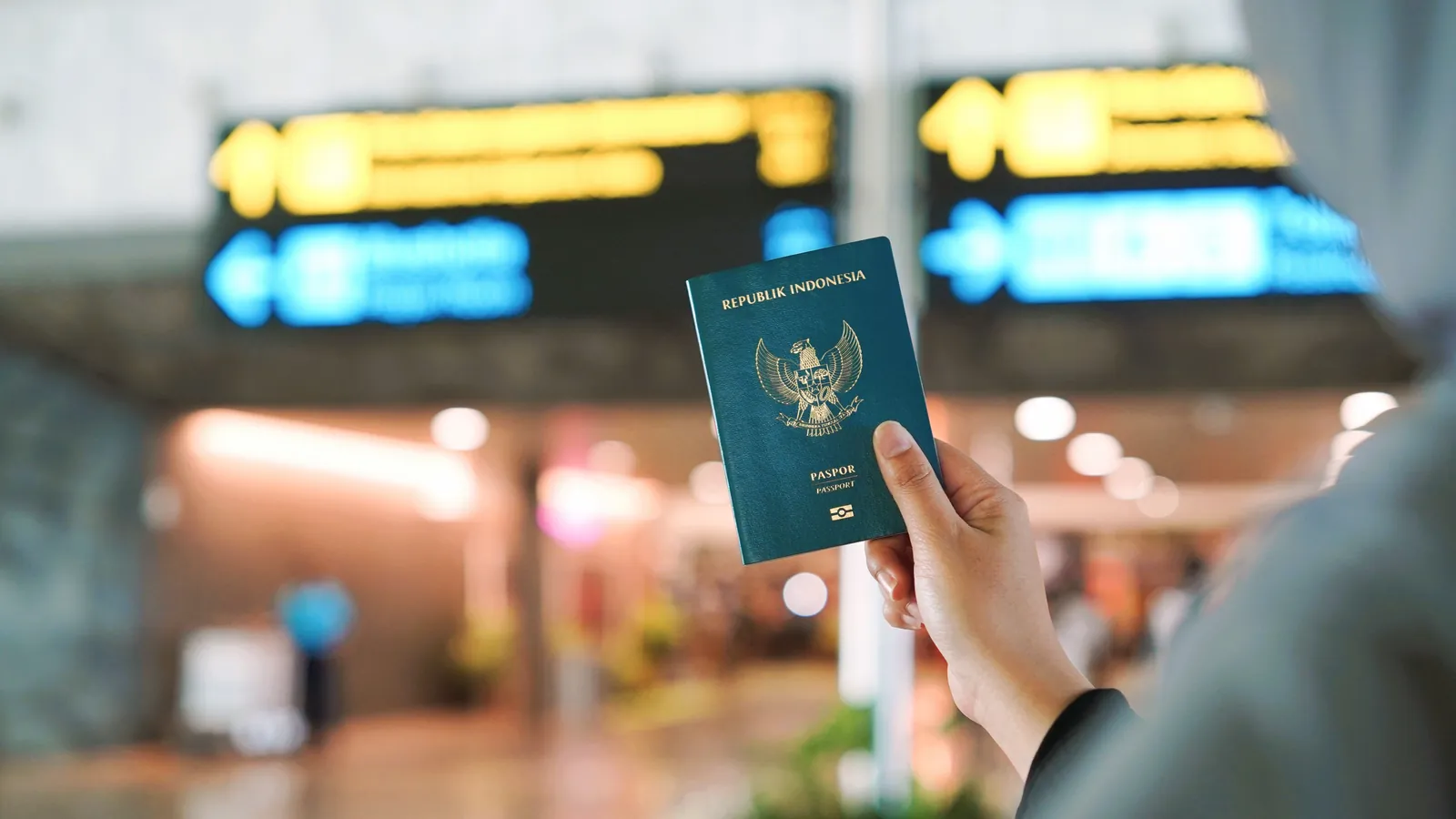
Schengen visa, EES and ETIAS sound like three hurdles. In November 2026 the rules are clear. Whether you need a visa depends on your passport. EES, the new border registration system, now runs at all Schengen borders. ETIAS is a future online travel permit that has no start date.
The Schengen area is the group of 29 European countries that share one short-stay visa and have no passport checks between them. This page gives you the position as it stands on 1 November 2026.
If you are still choosing where to go, read how many countries fit in 10 days before you apply. Your main destination decides where you must submit your visa application.
Do you need a Schengen visa?
The rule comes from EU law, Regulation (EU) 2018/1806. Citizens of some countries need a visa for a short stay of up to 90 days in any 180-day period. Citizens of others can enter without a visa. The table covers the passports most of our readers hold.
| Passport | Schengen short stay | Notes |
|---|---|---|
| India | Visa needed | See the multiple-entry rules below |
| Philippines | Visa needed | |
| Indonesia | Visa needed | See the multiple-entry rules below |
| Vietnam | Visa needed | |
| Thailand | Visa needed | A new multiple-entry rule exists for residents |
| China, Pakistan, Bangladesh, Sri Lanka, Nepal | Visa needed | |
| Saudi Arabia, Qatar, Kuwait | Visa needed | The EU is preparing a visa-waiver process; no date |
| Oman, Bahrain | Visa needed | |
| Malaysia, Singapore, Japan, South Korea, Brunei | Visa-free | Up to 90 days in any 180 days |
| United Arab Emirates | Visa-free | Under the EU–UAE waiver agreement |
| Hong Kong | Visa-free | Only with a Hong Kong SAR passport |
| Macao | Visa-free | Only with a Macao SAR passport |
| Taiwan | Visa-free | Only with a Taiwan passport that has your ID card number |
Check the last three rows carefully. For Hong Kong, Macao and Taiwan the rule depends on the type of passport, not only on where you live or your nationality. Other passports held by the same person follow their own rules.
Three Gulf countries are in the news. On 19 October 2026 the EU Council adopted conclusions for Saudi Arabia, Qatar and Kuwait. They welcome the Commission’s plan to start a visa-waiver process. No exemption is in force and no date is set. Citizens of these three countries still apply for a visa today, like those of Oman and Bahrain.
If your passport is not in the table, open the European Commission visa policy page and check the lists there.
If you need a visa: the basics
Most first-time visitors from Asia and the Gulf are in this group. Here is how the process works.
Fee and where to apply
Fee: €90 for adults and €45 for children aged 6 to 11. Children under 6 pay no visa fee. Visa centres run by outside providers may add their own service charge. The fee is paid in your local currency, so check the exact amount on the website of the embassy or visa centre.
Where to apply: apply to the embassy or consulate of the country where you will spend the most time. If you visit only one country, that is the one. If you split your time equally between several countries, apply to the country of your first entry.
This is one more reason to keep a first trip simple. A short route with one main country makes the application clearer. Our guide to a first time in Paris is a good example of a one-city plan that fits well.
When to apply and how long it takes
You can apply up to 6 months before your trip. As a rule, you must apply at least 15 calendar days before you travel. The decision is normally made within 15 calendar days, and in some cases it can take up to 45.
We suggest you do not wait until the last allowed day. Appointment slots at visa centres can be limited at busy times, and one missing document can add days.
Insurance and documents
Travel insurance is part of the application. It must cover at least €30,000 and be valid in all Schengen countries for your whole stay. It must include emergency medical care, hospital treatment and return home for medical reasons.
The usual document list also includes:
- a passport valid for at least 3 months after you leave, with at least 2 blank pages, issued in the last 10 years;
- bank statements, usually for the last 3 months (each embassy sets its own rule);
- proof of your trip, such as your itinerary and where you will stay.
Each embassy publishes its own full list, so follow the list for your country.
Be careful with agents. Intermediaries are not official service providers authorised by Schengen states, and using one does not make approval more likely. Use the embassy website or the visa centre it names.
The 90/180 rule
A short-stay visa or visa-free entry allows a maximum of 90 days within any 180-day period. The 180 days are a rolling window that moves back from each day you are in the area. Days in all 29 Schengen countries are added together.
The European Commission has an official tool for this. Use the Schengen short-stay calculator to check your days or to plan a future trip. It does not apply to visas that allow less than 90 days or to long-stay visas.
Romania and Bulgaria have been full members of Schengen since 1 January 2025. A Schengen visa is valid there, and their days count towards your 90.
Multiple-entry visas: the cascade rules
A «cascade» is a set of rules that lets consulates give longer multiple-entry visas to travellers with a good travel record. Each country has its own decision, and the rules are narrow. The wording is always «may be issued»: the consulate decides, and no one has a right to a long visa.
India. A Commission decision of 18 April 2024 applies to Indian citizens who live in India and apply there. You need two Schengen visas obtained and used legally in the last three years. The first multiple-entry visa then covers 2 years. After that, a 5-year visa may be issued if your passport is valid long enough.
Indonesia. A decision adopted on 23 July 2025 covers Indonesian citizens who live in Indonesia. You need a Schengen visa obtained and used legally in the last three years, and a passport with enough validity. A multiple-entry visa of up to 5 years can then be considered.
Thailand. An EU decision of 8 May 2026 covers Thai citizens who live in Thailand. It allows longer visas of 1, 2 and 5 years that build on earlier visas and a good travel history. Ask the embassy how it applies to you.
Even with a 5-year visa, the 90/180 rule still applies. A multiple-entry visa lets you come back often; it does not let you stay longer. For other nationalities, ask the embassy about the current rules.
EES: what happens at the border now

EES is the Entry/Exit System. It started in stages on 12 October 2025 and has run at all Schengen border crossing points since 10 April 2026. It replaces the stamping of passports.
What is taken: your name and travel document details, your fingerprints and a photo of your face. The system also records the dates and places where you enter and leave, and any refusal of entry.
Who it applies to: citizens of countries outside the EU and Schengen area who visit for a short stay. That includes visa holders and visa-free visitors. EU and Schengen citizens are not included, and neither are people with long-stay visas or residence permits.
What you do before you travel: nothing. You register at the border on your first entry, at a booth or a self-service kiosk. On later trips, the system only needs to check you.
We recommend you allow extra time when you arrive, especially on your first entry. The European Commission’s 2026 Schengen report mentions infrastructure problems and busy periods when many flights arrive at once. If you must catch a connecting flight or train soon after landing, leave plenty of time.
Ireland and Cyprus do not take part in EES. If you start your trip in a Schengen country, you will do the registration there.
ETIAS: not yet
ETIAS is the European Travel Information and Authorisation System. It will be a short online application, similar in idea to the US ESTA. The official EU page says plainly that it is not in operation and that no applications are collected.
Who will need it: citizens of visa-free countries who travel to Europe for short stays. From our table, that means Malaysia, Singapore, Japan, South Korea, Brunei, the UAE, and Hong Kong, Macao and Taiwan passports. People who hold a Schengen visa will not need ETIAS. Because of that, readers from India, the Philippines, Indonesia and similar countries do not need it as long as they travel on a visa.
Fee: €20 when it starts.
Start date: there is no official date. The EU has said it will announce the date several months before the launch. Until that announcement, do not plan around any date you see online.
Beware of fake websites. Today nobody can issue an ETIAS authorisation. A website that asks you for money for ETIAS now is not official. Do not enter your passport details or pay. When ETIAS starts, use the link on the European Commission ETIAS page.
Not Schengen: the UK, Ireland and Cyprus
A Schengen visa does not cover the United Kingdom or Ireland. Both are outside the Schengen area and have their own rules. Cyprus is in the EU, but border controls with it have not yet been lifted, so treat it as a separate step too.
For the UK, travellers from many visa-free countries can apply for an Electronic Travel Authorisation, the UK ETA. It costs £20. These passports can get it:
- East and South-East Asia: Brunei, Hong Kong, Japan, Macao, Malaysia, Singapore, South Korea, and Taiwan (only with an ID card number in the passport).
- Gulf: Bahrain, Kuwait, Oman, Qatar, Saudi Arabia and the UAE.
Other nationalities cannot get an ETA. They need a Standard Visitor visa, which costs £135 for six months. Check your passport on the official GOV.UK ETA page and with the GOV.UK visa checker.
For Ireland, check the Irish immigration website before you plan. Do not assume a Schengen visa or a UK permit will be enough.
A simple checklist for November 2026
- Check your passport in the table above, then confirm on the website of the embassy of your main destination.
- If you need a visa, choose your main country first, then apply up to 6 months ahead and at least 15 days before travel.
- Buy insurance of at least €30,000 that is valid in all Schengen countries.
- Use only the embassy or its named visa centre. Do not pay an agent for a promise of approval.
- Count your days with the official 90/180 calculator, especially if you have visited Europe recently.
- Do nothing before travelling for EES. Expect fingerprints and a photo at your first Schengen border.
- Allow extra time on arrival, and avoid very tight connections on your first entry.
- Do not apply for ETIAS and do not pay any website for it.
- If your trip includes the UK, Ireland or Cyprus, check their rules separately.
Rules in this area change often. Check the official pages linked here shortly before you travel. Planning for the holiday season? Our guide to Christmas markets in 2026 shows how to build a short winter trip around one or two cities.
Before you go
- Visa fee
- €90 adults, €45 children aged 6 to 11, no fee under 6 (checked in October 2026)
- Where to apply
- The embassy or visa centre of your main destination, or your first entry country
- Insurance
- At least €30,000, valid in all Schengen countries
- EES
- Nothing to do before you travel; it is done at the border on your first entry
- ETIAS
- Do not apply and do not pay; no official site accepts applications yet
- Stay limit
- Check your days with the official 90/180 calculator
Checked in October 2026
Questions people ask
Do I need a Schengen visa if I am from India, the Philippines or Indonesia?
Yes. Citizens of India, the Philippines, Indonesia, Vietnam, Thailand and China need a visa for a short stay in the Schengen area. Apply at the embassy or visa centre of your main destination, up to 6 months and at least 15 days before you travel.
Do I need ETIAS now if I am from Singapore, Malaysia, Japan or South Korea?
No. ETIAS is not running yet and the EU has announced no start date. You can enter visa-free for up to 90 days in any 180 days. The EU says it will announce the start date several months before ETIAS begins.
Will my passport be stamped when I enter Europe now?
No. The Entry/Exit System (EES) replaces passport stamps. At the border your fingerprints and a photo of your face are registered, together with your passport details. This applies to visa holders and visa-free visitors alike.
How long does a Schengen visa take and how early can I apply?
The decision is usually made within 15 calendar days, and in some cases it can take up to 45. You can apply up to 6 months before your trip. As a rule, apply at least 15 days before you travel.
Is a Schengen visa valid for the UK or Ireland?
No. The UK and Ireland are not part of the Schengen area, so they have their own rules. Check the entry rules for your passport before you reserve a trip that includes either country.
Official sources
- European Commission: Schengen visa policy
- European Commission: Schengen 90/180 short-stay calculator
- European Commission: Entry/Exit System (EES)
- European Commission: ETIAS
- EU Visa Code, Regulation (EC) No 810/2009 (EUR-Lex)
- EEAS: more favourable Schengen visa rules for Indians
- EEAS: more favourable Schengen visa rules for Indonesia
- EEAS: more favourable Schengen visa rules for Thailand
- GOV.UK: Electronic Travel Authorisation (ETA)